
The Science-Backed Benefits of Nature's Most Powerful Superfoods
Discover how traditional Indonesian wisdom meets modern scientific research in our comprehensive exploration of mangosteen, turmeric, and ginger - three remarkable superfoods that have been supporting human health for centuries.
"The greatest wealth is health" - and nature provides us with the most potent medicines in its abundance of superfoods.
Medical Disclaimer
The information provided on this page is for educational purposes only and is not intended to diagnose, treat, cure, or prevent any disease. Always consult with a qualified healthcare professional before making changes to your diet or health routine.
Mangosteen - The Queen of Fruits
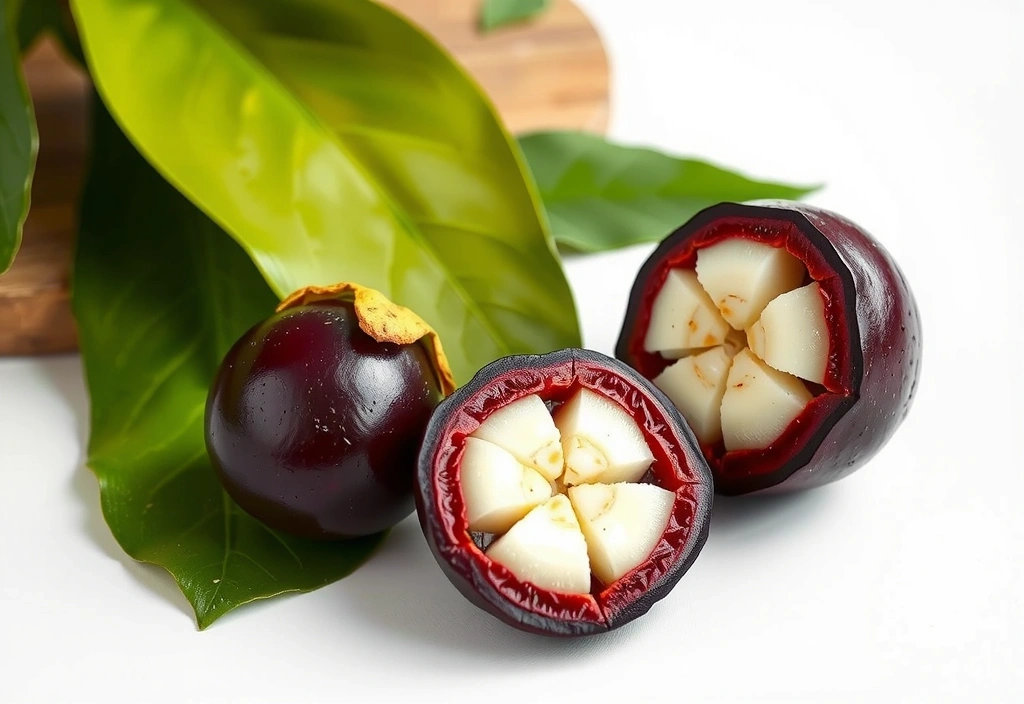
Hailing from the Indonesian archipelago, mangosteen (Garcinia mangostana) has earned the title "Queen of Fruits" not just for its exquisite taste, but for its extraordinary health-promoting properties. This small, purple fruit contains powerful compounds called xanthones that have captured the attention of researchers worldwide.
Antioxidant Powerhouse
Mangosteen contains some of the highest levels of xanthones found in nature, particularly alpha-mangostin and gamma-mangostin. These bioactive compounds exhibit remarkable antioxidant activity, helping to neutralize free radicals and protect cells from oxidative stress. Studies have shown that mangosteen has ORAC (Oxygen Radical Absorbance Capacity) values significantly higher than many other fruits, making it one of nature's most potent antioxidant sources.
Immune System Support
The immune-modulating properties of mangosteen are attributed to its unique combination of xanthones, tannins, and other phenolic compounds. Research indicates that mangosteen extracts can enhance the activity of natural killer cells and support the body's defense mechanisms against pathogens and foreign substances.
Anti-Inflammatory Excellence
Traditional Indonesian medicine has long recognized mangosteen's anti-inflammatory properties. Modern research confirms that mangosteen xanthones can inhibit pro-inflammatory enzymes such as COX-2 and LOX, potentially reducing inflammation throughout the body without the side effects associated with synthetic anti-inflammatory drugs.
Traditional Indonesian Applications
- Javanese traditional healers use mangosteen rind for digestive issues and wound healing
- Sumatran communities employ mangosteen preparations for fever reduction
- Balinese practitioners use it for skin conditions and infections
- Sulawesi locals apply mangosteen juice for joint pain and arthritis
Turmeric - Golden Spice of Indonesia
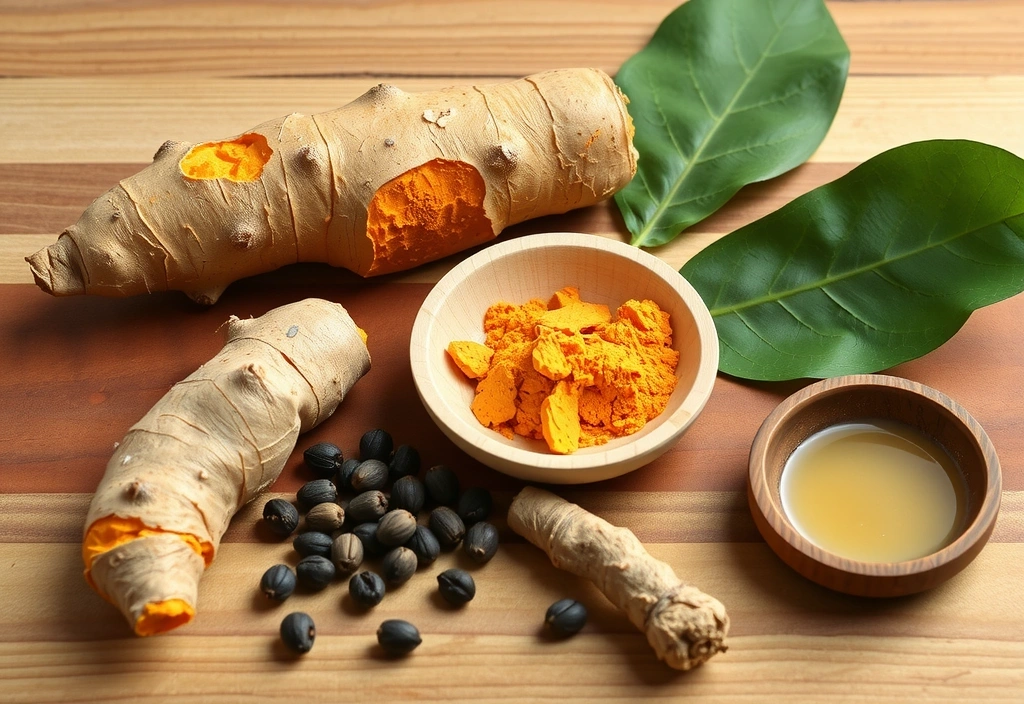
Turmeric (Curcuma longa), known locally as "kunir" in Indonesia, has been revered for over 4,000 years as both a culinary staple and a powerful healing herb. The golden-orange rhizome contains curcumin, the compound responsible for both its distinctive color and remarkable therapeutic properties.
Curcumin: Nature's Most Studied Compound
Curcumin comprises 2-8% of turmeric and exhibits powerful anti-inflammatory, antioxidant, and antimicrobial activities. Clinical studies have demonstrated curcumin's ability to modulate over 700 genes and numerous molecular pathways involved in inflammation, making it one of the most promising natural compounds for supporting overall health.
Anti-Inflammatory Mechanisms
Unlike synthetic anti-inflammatory drugs that work through single pathways, curcumin provides multi-target support by inhibiting inflammatory cytokines, blocking NF-kB activation, and reducing the production of inflammatory enzymes. This comprehensive approach makes curcumin particularly effective for managing chronic inflammation without adverse effects.
Traditional Indonesian Medicine Applications
Indonesian traditional medicine, known as Jamu, extensively uses turmeric for numerous health conditions. Javanese healers prepare "kunir asam" (turmeric and tamarind drink) for digestive health, while Balinese practitioners use turmeric paste for wound healing and skin conditions. Sulawesi traditional medicine employs turmeric for respiratory ailments and liver support.
Bioavailability Enhancement
- Combining with black pepper (piperine) increases absorption by up to 2000%
- Consuming with healthy fats enhances curcumin bioavailability
- Fermented turmeric preparations show improved therapeutic activity
- Indonesian traditional methods of preparation optimize curcumin extraction
Ginger - Digestive Wellness Root
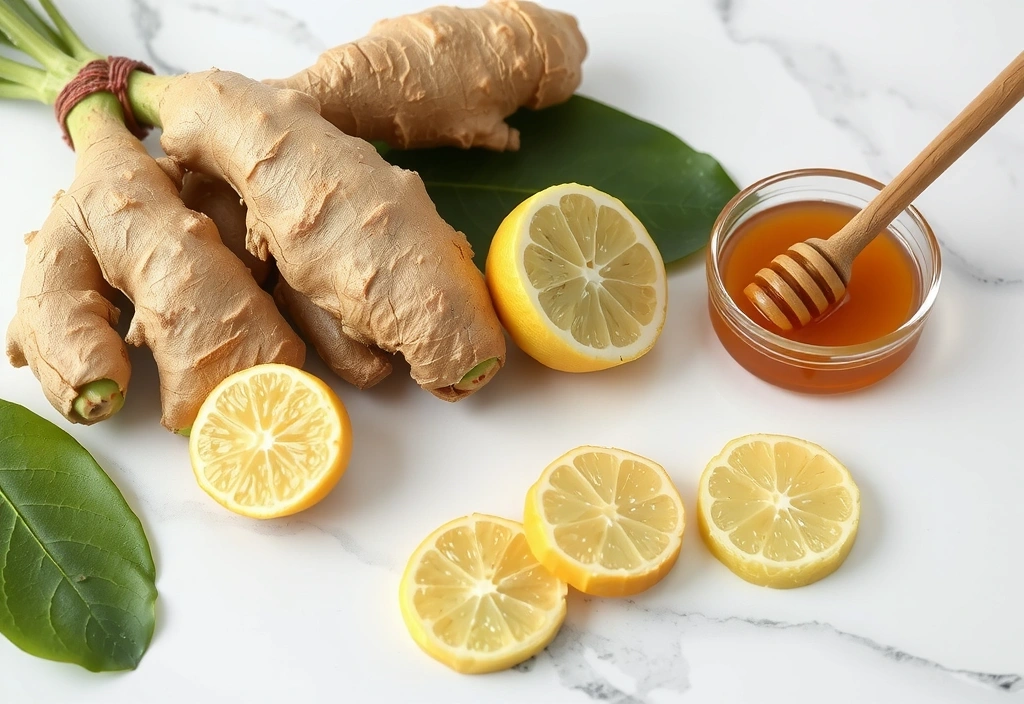
Ginger (Zingiber officinale), known as "jahe" in Indonesian, is one of the world's most extensively studied medicinal plants. This aromatic rhizome has been cultivated in Indonesia for over 2,000 years and continues to reveal new therapeutic benefits through modern research.
Digestive System Benefits
Ginger's most well-established benefit lies in its ability to support digestive health. The bioactive compound gingerol enhances gastric motility and promotes the secretion of digestive enzymes, helping to break down proteins and fats more efficiently. Clinical studies show that ginger can significantly reduce bloating, gas, and discomfort after meals.
Circulation Enhancement
The warming properties of ginger are attributed to its ability to improve circulation by stimulating blood flow and preventing platelet aggregation. This circulatory support can help maintain healthy blood pressure and ensure adequate oxygen and nutrient delivery to tissues throughout the body.
Anti-Nausea and Motion Sickness Relief
Numerous clinical trials have confirmed ginger's effectiveness in reducing nausea associated with pregnancy, motion sickness, and chemotherapy. The compound 6-gingerol acts on the digestive system and brain to provide natural nausea relief without the sedative effects of pharmaceutical alternatives.
Traditional Preparation Methods
- "Wedang jahe" - traditional Javanese ginger tea with palm sugar
- "Bumbu kuning" - turmeric and ginger paste for cooking
- Fermented ginger preparations for enhanced probiotic benefits
- Fresh ginger juice mixed with lime and honey for cold relief
Nutritional Comparison: Superfood Powerhouses
| Nutrient | Mangosteen (100g) | Turmeric (100g) | Ginger (100g) |
|---|---|---|---|
| Calories | 73 | 354 | 80 |
| Vitamin C | 2.9mg (3% DV) | 21mg (23% DV) | 0.7mg (1% DV) |
| Vitamin B6 | 0.1mg (6% DV) | 0.1mg (6% DV) | 0.2mg (12% DV) |
| Folate | 31mcg (8% DV) | 20mcg (5% DV) | 11mcg (3% DV) |
| Potassium | 48mg (1% DV) | 2528mg (54% DV) | 415mg (9% DV) |
| Iron | 0.3mg (2% DV) | 41.4mg (230% DV) | 0.6mg (3% DV) |
| Magnesium | 9mg (2% DV) | 193mg (48% DV) | 43mg (11% DV) |
| Antioxidant Capacity (ORAC) | ~4,200 μmol TE | ~125,000 μmol TE | ~14,840 μmol TE |
| Key Bioactive Compounds | Alpha-mangostin Xanthones |
Curcumin Turmerone |
6-Gingerol Shogaols |
* DV = Daily Value based on 2,000 calorie diet. Values may vary based on growing conditions and preparation methods.
Scientific Research & References
Peer-Reviewed Studies
-
•
Jung et al. (2009) - "Antioxidant activities of xanthones from pericarp of mangosteen." Journal of Agricultural and Food Chemistry, 57(15), 7282-7287. View Study
-
•
Hewlings & Kalman (2017) - "Curcumin: A review of its' effects on human health." Foods, 6(10), 92. View Study
-
•
Lete & Allue (2016) - "The effectiveness of ginger in the prevention of nausea and vomiting during pregnancy and chemotherapy." Integrative Medicine Insights, 11, 11-17. View Study
Indonesian Research Institutions
-
•
Indonesian Institute of Sciences (LIPI) - Ongoing research on bioactive compounds in traditional Indonesian medicinal plants and their modern applications.
-
•
Gadjah Mada University - Clinical studies on mangosteen's effects on metabolic health and inflammation markers in Indonesian populations.
-
•
Bandung Institute of Technology - Research on enhancing bioavailability of curcumin and other bioactive compounds through natural formulation methods.
Stay Updated with Latest Research
Subscribe to our newsletter to receive the most recent scientific findings and research updates on superfoods and natural health solutions.
We respect your privacy. Unsubscribe at any time.
International Health Organizations
World Health Organization
Recognition of traditional herbal medicine including Indonesian Jamu practices for primary healthcare.
Food and Agriculture Organization
Documentation of indigenous food systems and their nutritional contribution to global diets.